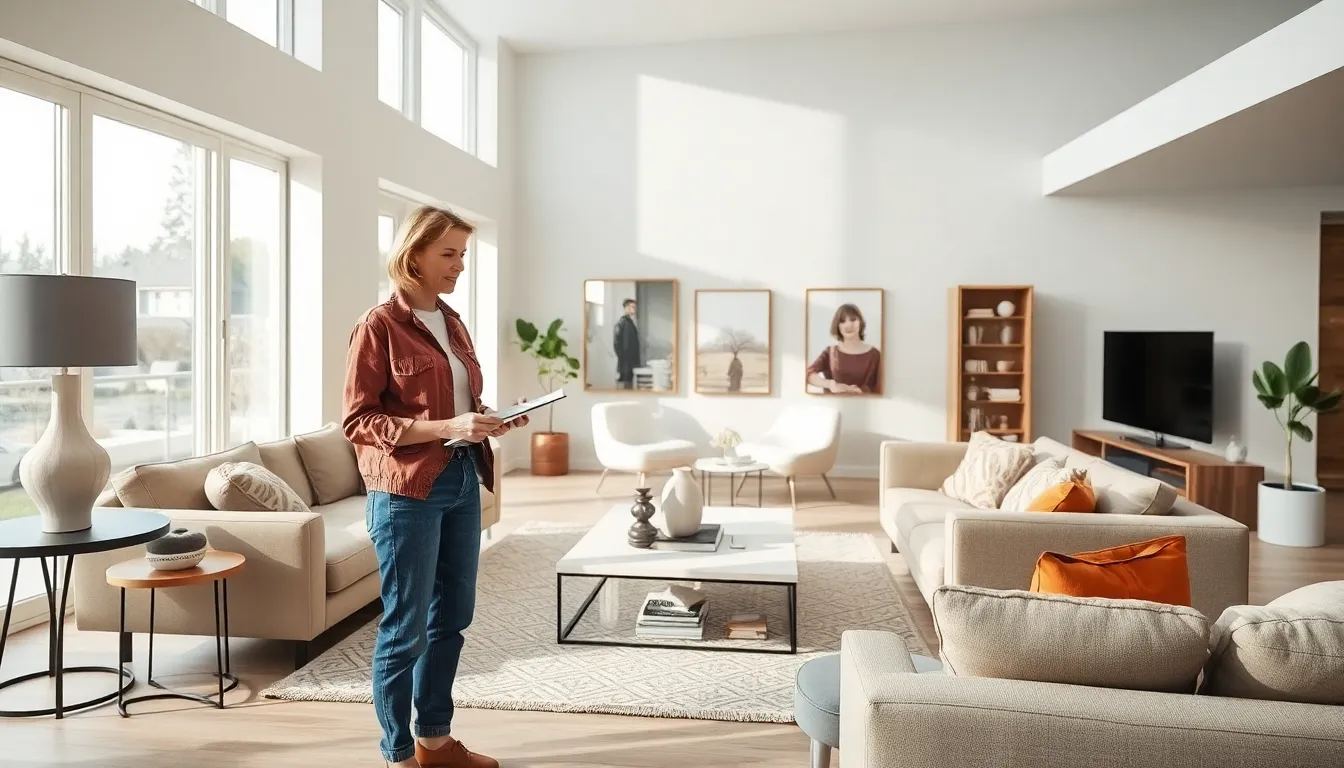
When it comes to floor plan layouts, it’s not just about where to put the couch or how many plants can fit in the corner. It’s about transforming a house into a home, a workspace into a hub of creativity, and a simple layout into a masterpiece of functionality. With the right floor plan, even the smallest spaces can feel like a grand palace—or at least a cozy castle.
Imagine hosting friends in a perfectly designed living area where everyone can mingle without bumping into each other. Or picture a kitchen that inspires culinary genius instead of chaos. Floor plan layouts are the unsung heroes of design, making the most of every square foot while adding a dash of personality. Dive into the world of floor plans, and discover how to elevate your space from ordinary to extraordinary, one room at a time.
Overview of Floor Plan Layouts
Floor plan layouts serve as the blueprint for effective space utilization. Designers and architects create layouts that maximize potential, whether for residential or commercial properties. Multiple factors influence the choice of a layout, including purpose, size, and user preferences.
Types of floor plan layouts vary, with some common examples including open concept, traditional, and L-shaped designs. Open concept layouts promote seamless flow between rooms, ideal for social interactions. Traditional layouts often feature defined spaces that offer privacy and separation. L-shaped designs provide versatility by creating distinct areas, suitable for both leisure and functionality.
The appropriate layout can optimize natural light and enhance the overall ambiance. For instance, incorporating large windows into a layout can brighten a space. Consideration for furniture placement also impacts room dynamics and aesthetics. Arranging furniture thoughtfully facilitates movement and encourages engagement.
Moreover, understanding the specific needs of occupants drives layout decisions. Families may prefer layouts that accommodate gatherings, while individuals might favor minimalistic designs prioritizing efficiency. Examining traffic patterns within the space is crucial for practicality, ensuring pathways remain unobstructed.
Creative use of zoning within a layout can further define spaces for specific activities. Creating areas for relaxation, work, and socializing leads to improved functionality. Each layout choice contributes to the feeling within a home or workspace, emphasizing the importance of a well-planned design.
Types of Floor Plan Layouts
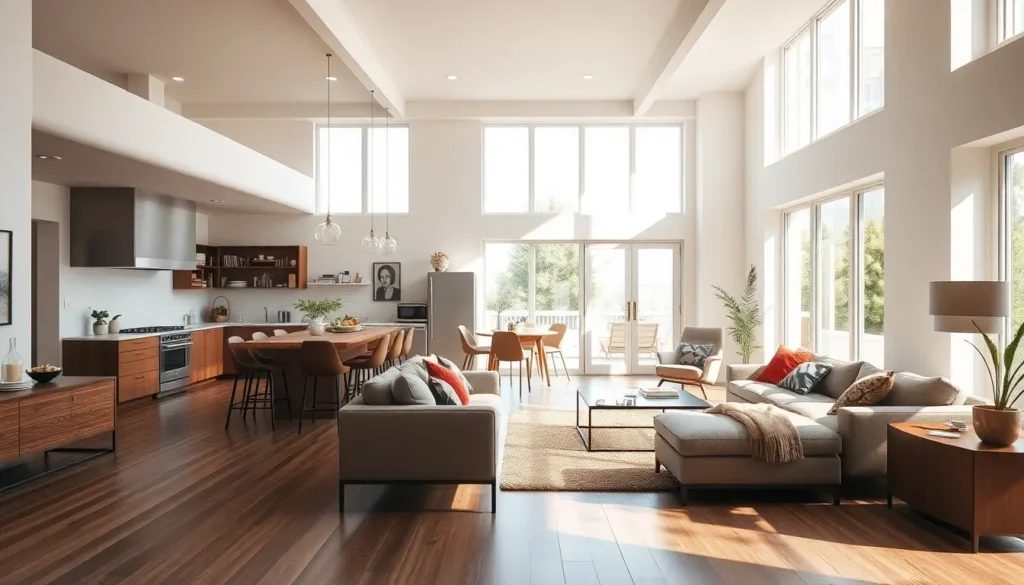
Various floor plan layouts provide distinct advantages, each tailored to meet specific needs. Understanding these layouts can greatly enhance the functionality of a space.
Open Concept Layouts
Open concept layouts utilize large, unobstructed spaces to create a seamless flow between areas. This design fosters social interaction, making it ideal for gatherings. Locations such as kitchens, living rooms, and dining areas often merge into a single, expansive environment. Natural light tends to permeate freely, enhancing the ambiance. Families frequently appreciate this layout for its ability to accommodate multiple activities simultaneously.
Traditional Layouts
Traditional layouts feature defined rooms, promoting privacy and separation of functions. Specific areas serve distinct purposes without the flow found in open concepts. Bedrooms, living rooms, and dining spaces often remain enclosed, catering to those who prefer quiet and solitude. This design suits larger families or individuals who enjoy having dedicated spaces. Furniture placement within traditional layouts can maximize comfort while maintaining organization.
Multi-Generational Layouts
Multi-generational layouts address the needs of families living together across different age groups. These designs often incorporate separate living areas, creating privacy for each generation. Specific amenities such as extra bathrooms or small kitchenettes support independent living. Adaptable spaces within this layout enhance flexibility as family dynamics shift over time. Often, this layout encourages shared activities while providing personal retreats.
Benefits of Different Floor Plan Layouts
Various floor plan layouts offer unique benefits that can significantly impact both functionality and aesthetics in living and working spaces. Understanding these advantages guides thoughtful choices tailored to individual preferences and lifestyle needs.
Space Efficiency
Space efficiency stands as a primary advantage of well-planned layouts. Open concept designs maximize usable area, reducing wasted space on corridors or walls. Traditional layouts also provide efficiency by defining specific purposes for each room, enhancing organization. Multi-generational layouts cater to diverse needs, using space strategically to ensure privacy while maintaining communal areas. Smaller homes benefit from L-shaped designs, which optimize corners and create fluid movement throughout the space. Proper design choices facilitate effective storage solutions, contributing to overall cleanliness and order.
Natural Light and Ventilation
Natural light and ventilation play essential roles in creating a pleasant atmosphere. Open concept layouts often allow sunlight to penetrate deeper into spaces, brightening rooms without relying on artificial light. Large windows not only invite daylight but also promote airflow, enhancing overall comfort. In traditional layouts, strategically positioned windows can capture cross-breezes that cool spaces efficiently. Multi-generational layouts utilize light wells or atriums to foster a sense of openness. Effective placement of furniture within these plans further ensures that light fills the room without obstruction, improving mood and productivity.
Tips for Choosing the Right Floor Plan Layout
Selecting the right floor plan layout involves careful consideration of individual needs and preferences. A thoughtful approach ensures that the chosen design serves its intended purpose effectively.
Consider Your Lifestyle
Lifestyle choices greatly influence floor plan selections. Families with children may prefer layouts that allow for easy supervision, facilitating safety during playtime. Social butterflies might lean towards open concepts that promote interaction during gatherings. Individuals valuing solitude may favor traditional layouts with defined spaces to create a sense of privacy. Consideration of daily activities helps determine a layout that enhances functionality. Flexibility in design can accommodate work-from-home options, ideal for remote workers requiring dedicated office space.
Future Needs
Planning for future needs shapes floor plan decisions. Growing families might opt for layouts offering additional bedrooms or flexible rooms that can adapt over time. Downsizers seeking efficiency may choose open layouts that minimize maintenance while maximizing comfort. Think about potential mobility considerations as family members age, prompting choices that allow for easy navigation throughout the home. Anticipation of future needs ensures the layout remains suitable for changing lifestyles, providing lasting satisfaction and functionality.
Choosing the right floor plan layout is crucial for creating spaces that are both functional and inviting. Understanding individual needs and lifestyle preferences can significantly impact the effectiveness of a layout. Whether opting for an open concept for social interaction or a traditional design for privacy, each choice plays a vital role in enhancing the overall ambiance.
Flexibility in design allows spaces to adapt to changing lifestyles, ensuring long-term satisfaction. By carefully considering factors like natural light and furniture placement, individuals can transform their environments into areas that inspire creativity and comfort. Ultimately, a well-thought-out floor plan layout can elevate any space, making it a true reflection of its occupants.