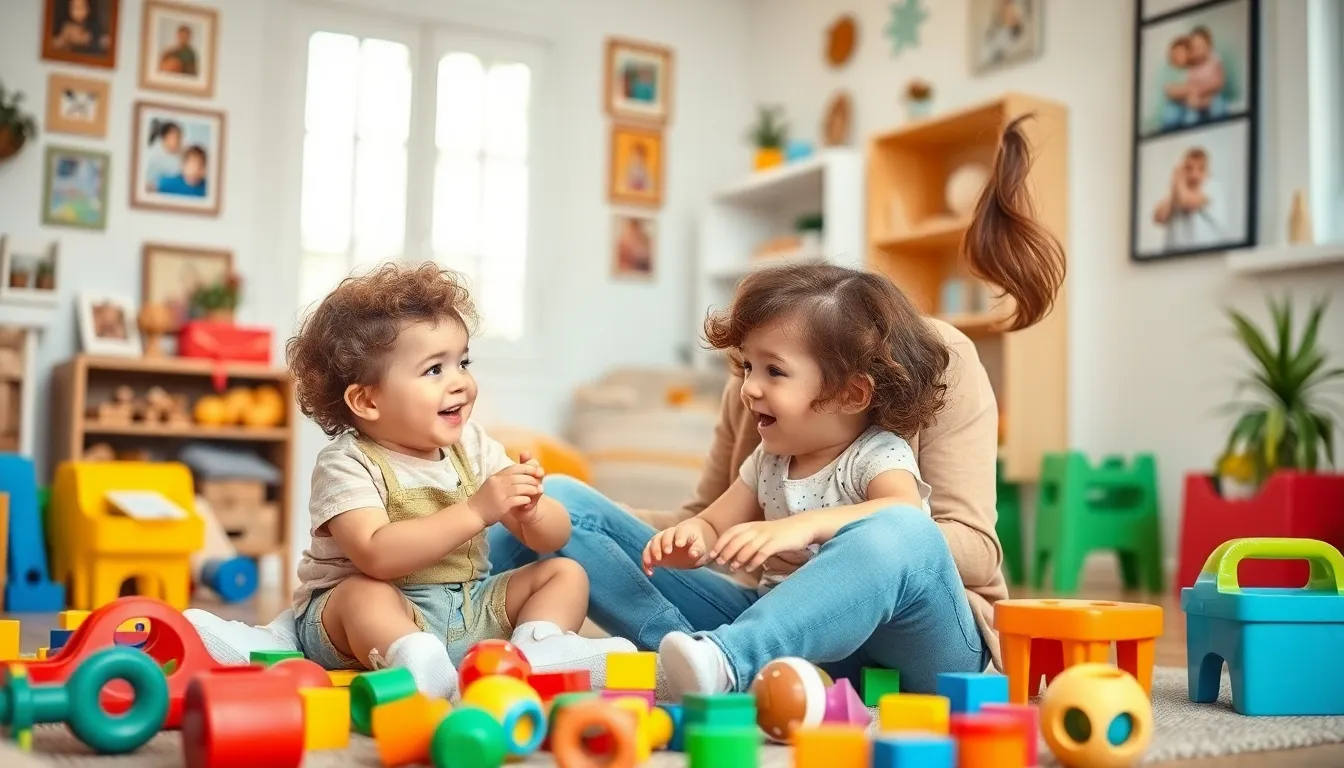
Parenting is a wild ride filled with unexpected twists and turns, much like a roller coaster designed by a toddler. From sleepless nights to heartwarming milestones, every moment shapes the unique journey of parenthood. It’s a blend of joy, chaos, and the occasional need for a secret stash of chocolate.
As parents navigate this adventure, they discover that no two journeys are the same. Whether it’s mastering the art of negotiating with a pint-sized negotiator or understanding the mysterious language of baby babble, each experience offers valuable lessons. Join in as we explore the ups, downs, and all-around hilarities of the parenting journey, proving that while it might not always be easy, it’s definitely worth it.
Understanding the Parenting Journey
Every parenting journey represents a unique experience filled with emotions, lessons, and growth. Parents navigate various stages, each requiring different skills and approaches.
Stages of Parenting
Infancy marks the beginning, where caregivers focus on basic needs like feeding and comfort. Toddlerhood introduces exploration, bringing both excitement and challenges. Preschool years shift toward socialization, as children engage in playgroups and learning environments. School age represents a pivotal stage, emphasizing academics and extracurricular activities. Adolescence, often filled with independence struggles, invites discussions around values and decision-making. Through each phase, parents adapt, fostering resilience and understanding.
Common Challenges
Sleepless nights often accompany the early stages, impacting physical and mental health. Dealing with tantrums frequently tests patience and requires strategic responses. Balancing work and family life poses a challenge for many, with demands pulling parents in multiple directions. Communication barriers arise as children develop unique ways of expressing themselves. Navigating peer pressure becomes crucial during the school years, demanding guidance and support. Parental burnout affects many who juggle responsibilities, highlighting the importance of self-care and community support.
The Emotional Impact of Parenting

Parenting evokes a rich tapestry of emotions shaped by different experiences.
Joys and Rewards
Parents experience immense joy through milestones. Celebrating first steps or words invigorates families. Shared laughter during playtime creates lasting memories. Unconditional love for a child fosters deeper connections. Seeing children thrive academically or socially provides significant fulfillment. Parents also enjoy special moments, like bedtime stories, which reinforce bonds. Contributions to a child’s growth and happiness lead to profound satisfaction. These joys balance the stress often linked with parenting.
Stress and Resilience
Stress accompanies parenting due to numerous responsibilities. Sleepless nights and constant demands challenge caregivers. Parents face difficulties in balancing work and family obligations, often leading to burnout. Learning to manage stress enhances personal resilience over time. Facing challenges, such as tantrums or teenage rebellion, builds character and adaptability. Parents often cultivate patience through these experiences. Seeking community support can alleviate feelings of isolation. Developing effective coping strategies remains crucial for maintaining emotional health.
Important Skills for Effective Parenting
Effective parenting involves honing essential skills that strengthen family bonds and foster a supportive environment. Two critical areas in this skill set are communication techniques and discipline strategies.
Communication Techniques
Active listening enhances understanding and empathy between parents and children. By focusing fully on what kids express, parents validate emotions and encourage openness. Using clear language helps convey messages without confusion. Engaging in regular family discussions builds trust and offers opportunities for kids to share their thoughts. Nonverbal cues, like eye contact and facial expressions, reinforce the importance of attentive communication. Asking open-ended questions promotes dialogue and critical thinking, allowing children to articulate feelings and opinions.
Discipline Strategies
Effective discipline focuses on teaching rather than punishing. Setting clear expectations helps children understand consequences. Positive reinforcement encourages desired behavior by rewarding achievements and efforts. Consistency in applying rules provides stability and makes boundaries clear. Offering choices empowers children and reduces power struggles. Timeouts serve as a means for kids to reflect on their behavior without feeling shamed. Encouraging problem-solving skills helps kids learn how to navigate challenges. These strategies build a foundation of respect and responsibility, cultivating a positive environment.
Building a Support Network
Creating a solid support network enhances the parenting experience. Connecting with others provides vital encouragement and shared resources throughout the parenting journey.
Family and Friends
Family members often serve as the first line of support. Their involvement provides emotional reassurance and practical assistance. Friends also contribute by offering companionship and sharing experiences. Regular check-ins with close ones foster open communication. Shared parenting experiences create bonds, leading to stronger relationships. Parents can rely on each other for advice, helping to navigate challenges. These connections significantly reduce feelings of isolation, enhancing the overall parenting experience.
Parenting Groups and Resources
Joining parenting groups becomes a valuable resource for navigating challenges. Local communities often host meet-ups, providing an opportunity to share information and experiences with other parents. Online forums, like parenting websites or social media groups, connect parents worldwide. Accessing expert advice, resources, and mentorship helps build confidence. These platforms allow parents to discuss their struggles and seek encouragement. Parents gain insights from diverse perspectives, enriching their understanding. Engaging with parenting resources equips families with tools to face hurdles together.
Parenting is a dynamic journey filled with ups and downs that shape both parents and children. The blend of joy and challenges creates a rich tapestry of experiences that fosters growth and connection. As they navigate the various stages of their children’s lives, parents learn valuable lessons about resilience and communication.
Building a strong support network is essential for overcoming the inevitable hurdles. By sharing experiences and seeking guidance, parents can alleviate feelings of isolation and burnout. Embracing the humor and warmth in everyday moments makes the journey even more rewarding. Ultimately, the path of parenthood is not just about raising children but also about discovering oneself along the way.