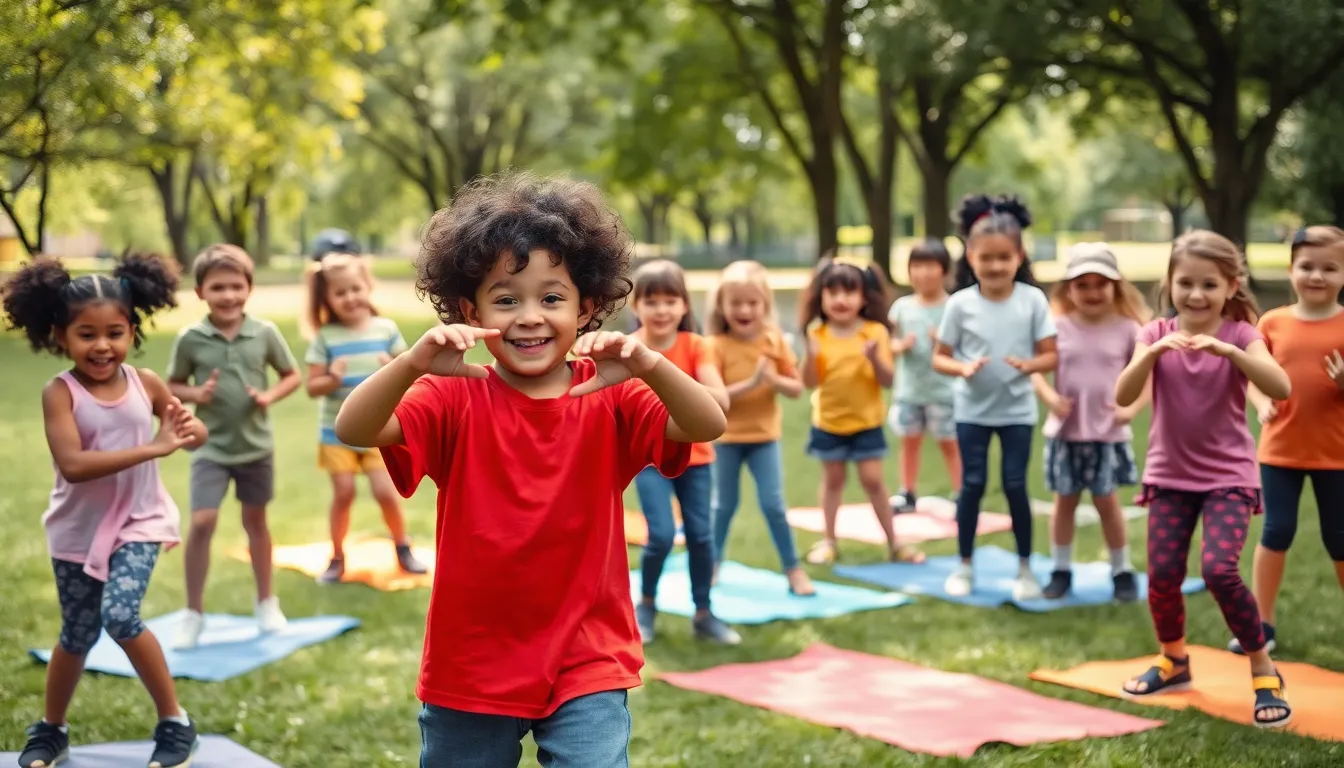
In a world where video games and streaming marathons often steal the spotlight, youth fitness programs are stepping in like a superhero to save the day. These programs aren’t just about breaking a sweat; they’re about building lifelong habits, boosting confidence, and having a blast while doing it. Who knew that getting fit could be as fun as a game of tag or a dance-off?
Overview of Youth Fitness Programs
Youth fitness programs address the growing concern of sedentary lifestyles among children and teenagers. These programs include various activities such as team sports, dance classes, and outdoor adventures. Participation in organized fitness activities encourages social interaction and teamwork, which promotes a sense of belonging.
A diverse range of programs exists to cater to different interests and fitness levels. Programs might focus on strength training, cardiovascular fitness, or flexibility. Many local community centers and schools offer structured classes designed to engage youth in fun ways.
Fitness programs also emphasize healthy habits. Nutrition education often accompanies exercise routines, nurturing a holistic approach to well-being. Young participants learn about balanced diets and the importance of hydration alongside physical activities.
Physical activity has immediate and long-term benefits. Engaging in regular exercise improves physical health, boosts mental clarity, and enhances emotional well-being. Increased endorphins from exercise often lead to elevated mood levels, countering feelings of anxiety or depression.
Statistics show that active children are more likely to become active adults. Schools that incorporate fitness programs into their curricula see higher performance and engagement levels. Positive experiences during youth often translate into lifelong habits, fostering overall health in communities.
Overall, youth fitness programs play vital roles in combating modern lifestyle challenges. Offering structured physical activity enhances self-confidence and motivates young individuals to lead healthier, happier lives.
Importance of Youth Fitness
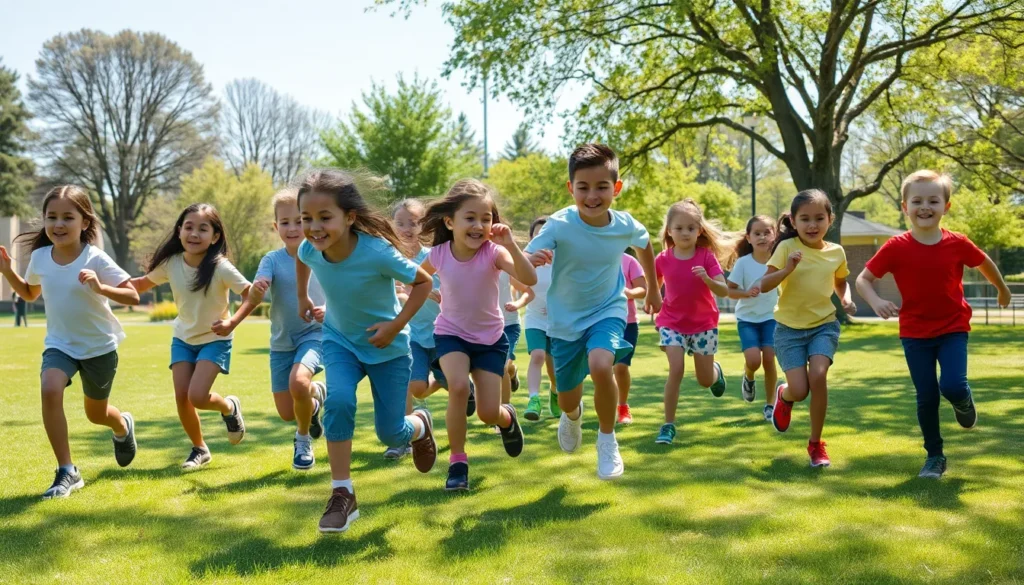
Youth fitness plays a crucial role in the overall well-being of children and teenagers today. Engaging in regular physical activities promotes healthy growth and development.
Physical Health Benefits
Regular exercise significantly contributes to physical health. Active youth tend to maintain healthy body weights and develop stronger muscles and bones. Cardiovascular fitness increases with consistent participation in youth fitness programs. Additionally, these programs reduce the risk of chronic diseases such as obesity and diabetes. Engaging in team sports or outdoor adventures boosts endurance and flexibility. Structured classes introduce various activities that keep participants motivated. Evidence shows that children who are active now are more likely to maintain their fitness levels as adults.
Mental Health Benefits
Mental health improvements accompany physical activity in youth. Participation in fitness programs enhances mood and reduces symptoms of anxiety and depression. Engaging in exercise releases endorphins, which contribute to feelings of happiness and well-being. Young participants often experience increased self-esteem through fitness achievements. Social interaction during activities fosters connections and support among peers. Additionally, structured fitness routines improve focus and cognitive function, leading to better academic performance. Statistics indicate that schools integrating fitness programs observe enhanced student engagement and overall well-being.
Types of Youth Fitness Programs
Youth fitness programs encompass various formats tailored to engage children and teenagers. These programs often focus on physical health while promoting social skills and well-being.
School-Based Programs
School-based programs offer structured physical education classes, emphasizing exercise as part of the daily curriculum. Many schools implement activities like team sports, gymnastics, and dance to encourage participation. Programs often integrate health education, covering nutrition and fitness concepts alongside physical activities. These initiatives foster teamwork, enhance cooperation, and contribute to improved academic performance. Schools providing consistent fitness opportunities see increased student engagement and better focus in the classroom.
Community Sports Initiatives
Community sports initiatives create local opportunities for youth to engage in organized activities, such as soccer leagues and basketball camps. These programs frequently highlight the importance of teamwork, discipline, and sportsmanship. Members of the community can participate in seasonal events that promote regular physical activity and social connections. Programs often cater to various skill levels, ensuring accessibility for all children. Young athletes benefit from mentorship, guidance, and support from coaches and peers.
Private Fitness Organizations
Private fitness organizations provide specialized training programs emphasizing a wide range of activities, from martial arts to yoga. Often led by certified trainers, these programs prioritize safety while fostering individual progress. Youth can choose from various offerings, including group classes, personal training sessions, and competitive teams. Organizations frequently utilize engaging approaches to make fitness enjoyable, motivating young people to pursue healthy lifestyles. Customized options enable youth to develop skills at their own pace, fostering a sense of achievement and self-esteem.
Key Components of Effective Programs
Effective youth fitness programs incorporate several vital elements. These components contribute to a structured and engaging experience for young participants.
Qualified Instructors
Qualified instructors play a critical role in youth fitness programs. They provide proper guidance, ensuring that exercises are performed safely and effectively. Experienced trainers understand how to motivate and engage youth through positive reinforcement. They often tailor activities to meet the diverse needs of participants, enhancing overall enjoyment and engagement. Moreover, instructors lead by example, showcasing the importance of a healthy lifestyle and physical fitness.
Age-Appropriate Activities
Age-appropriate activities ensure that participants remain interested and challenged. Programs should offer diverse options, catering to different age groups and skill levels. Younger children benefit from fun games that focus on basic motor skills, while older participants might engage in more structured fitness routines or team sports. Activities should promote skill development, encouraging gradual progression as youth gain confidence and competence. Offering a mix of individual and team-oriented exercises fosters social interaction and team spirit.
Safety Considerations
Safety considerations cannot be overlooked in youth fitness programs. Establishing clear rules and guidelines ensures a safe environment for all participants. Proper equipment and facilities help reduce the risk of injury. Regular assessments of physical conditions and abilities allow instructors to modify activities as needed. First aid training for staff members adds another layer of security, ensuring prompt responses to any incidents. By prioritizing safety, programs encourage young participants to explore fitness without fear of harm.
Youth fitness programs play a vital role in shaping healthier generations. By engaging children and teenagers in enjoyable physical activities, these programs lay the groundwork for lifelong habits. They not only promote physical health but also enhance mental well-being and social connections.
The variety of options available ensures that there’s something for everyone, catering to different interests and fitness levels. As young participants embrace these activities, they build confidence and learn the importance of teamwork.
Ultimately, the benefits extend beyond the gym or field, influencing academic performance and overall quality of life. Investing in youth fitness programs is a step toward fostering a healthier future for all.