Imagine waking up in a home that not only feels good but does good too. A sustainable home isn’t just a trend; it’s a lifestyle choice that helps save the planet while keeping your wallet happy. With eco-friendly materials and energy-efficient appliances, homeowners can reduce their carbon footprint and even lower those pesky utility bills. Who knew saving the Earth could feel so luxurious?
What Is a Sustainable Home?
A sustainable home integrates eco-friendly practices to minimize its environmental impact. Sustainable living not only supports the planet but also enhances overall comfort and efficiency.
Definition and Importance
Sustainable homes prioritize resource conservation while creating a healthier living environment. They utilize renewable energy sources, such as solar panels and wind turbines, which significantly reduce reliance on fossil fuels. Energy-efficient appliances play a crucial role by lowering utility costs and decreasing greenhouse gas emissions. Additionally, sustainable home designs often improve indoor air quality, contributing to better health for occupants. Investing in sustainable homes results in long-term benefits, both economically and environmentally.
Key Characteristics
Several features define a sustainable home. First, efficient insulation reduces energy loss, maintaining comfortable indoor temperatures. Second, rainwater harvesting systems collect and utilize rainwater for irrigation, reducing water waste. Third, sustainable homes often incorporate renewable materials like bamboo or recycled steel, minimizing harmful emissions during production. Fourth, smart home technology optimizes energy use by adjusting settings based on occupancy. Lastly, native landscaping requires minimal maintenance and conserves local biodiversity. Each of these characteristics contributes to an overall commitment to sustainability, making the homes not only efficient but also responsible choices for the future.
Benefits of Sustainable Homes
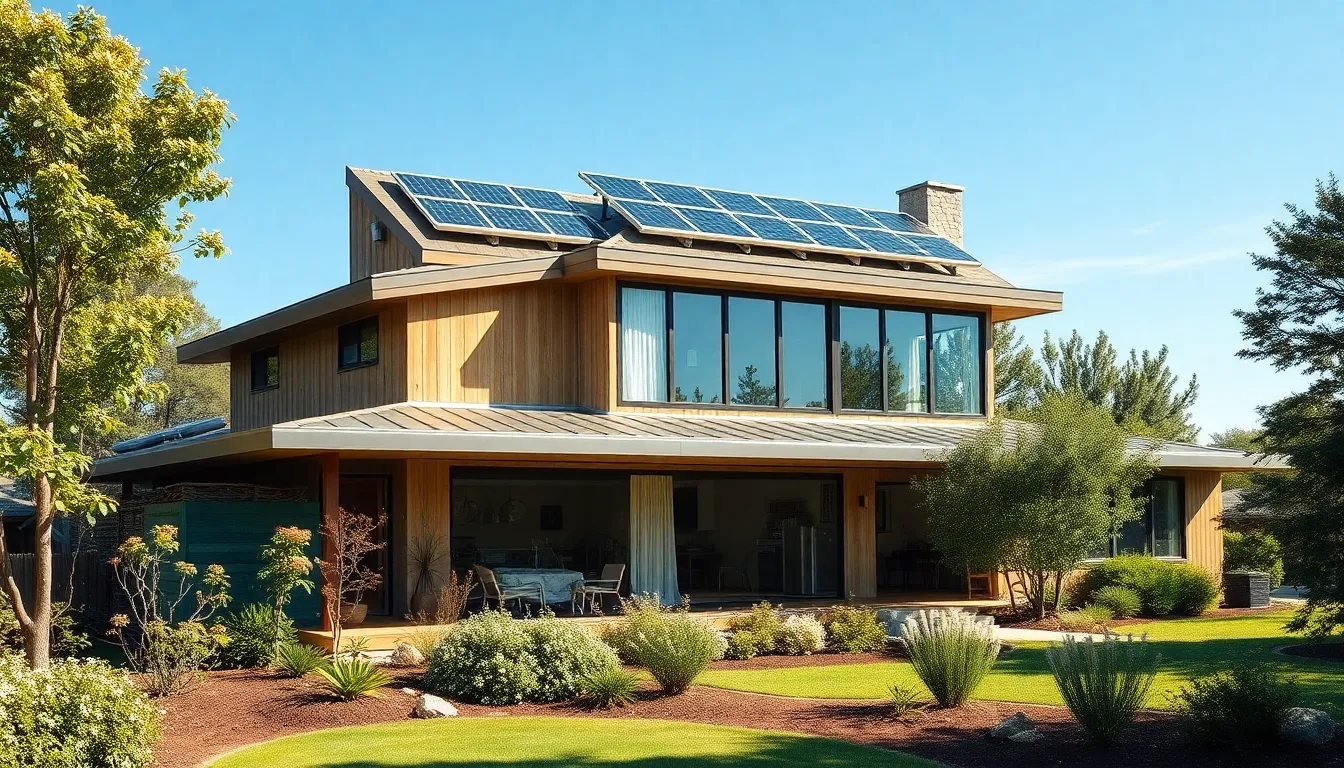
Sustainable homes provide numerous advantages, particularly in environmental and economic aspects.
Environmental Impact
Sustainable homes significantly reduce carbon footprints. They incorporate eco-friendly materials and energy-efficient appliances that lead to lower greenhouse gas emissions. Renewable energy sources like solar panels and wind turbines play pivotal roles in minimizing dependency on fossil fuels. Efficient insulation reduces energy consumption while maintaining comfortable temperatures. Additionally, rainwater harvesting systems conserve water and promote responsible usage. Native landscaping supports local ecosystems and decreases the need for chemical fertilizers. These features collectively create a healthier environment and contribute to the overall sustainability of communities.
Economic Advantages
Sustainable homes lead to reduced utility costs. Homeowners experience significant savings on energy bills due to energy-efficient appliances and smart home technology. Many governments offer financial incentives, such as tax rebates and grants, for installing renewable energy systems. Long-term investment in sustainable features increases property values, making homes more appealing to buyers. Maintenance costs typically decrease due to the durability of eco-friendly materials. Furthermore, using rainwater harvesting systems lowers water expenses. These economic benefits make sustainable homes a wise choice for budget-conscious individuals.
Design Elements of a Sustainable Home
Sustainable homes integrate various design elements that promote efficiency and environmental responsibility. These features ensure comfort while significantly reducing ecological footprints.
Energy Efficiency Features
Energy efficiency stands at the core of sustainable home design. Efficient insulation minimizes heat loss during winter months and keeps interiors cool in summer. Smart thermostats automatically adjust temperature settings, optimizing energy use throughout the day. Additionally, Energy Star-rated appliances consume less energy compared to standard options, leading to reduced utility bills. Solar panels provide a renewable power source, generating electricity and lowering reliance on fossil fuels. Implementing these features not only conserves energy but also fosters a sustainable lifestyle.
Sustainable Materials
Sustainable materials play a pivotal role in constructing eco-friendly homes. Reclaimed wood offers a stylish alternative to new lumber while reducing deforestation. Bamboo, known for its rapid growth, serves as a renewable flooring option. Low-VOC paints and finishes contribute to healthier indoor air quality, minimizing toxic emissions. Moreover, recycled metal and glass provide durable and environmentally friendly construction components. These materials, when used creatively, enhance the aesthetic appeal while minimizing environmental impact.
Implementing Sustainable Practices
Sustainable practices enhance the efficiency of homes while promoting environmental responsibility. Utilizing specific methods in daily living makes a significant difference.
Renewable Energy Sources
Renewable energy sources play a crucial role in decreasing dependence on fossil fuels. Solar panels offer homeowners a way to harness sunlight for electricity. Wind turbines efficiently convert wind energy into usable power. Geothermal systems raise energy efficiency by utilizing the earth’s constant temperature. Each of these sources reduces overall energy costs while contributing to a cleaner environment. Moreover, implementing these technologies leads to potential tax incentives, allowing residents to recoup initial investments quickly.
Water Conservation Techniques
Water conservation techniques significantly lower water usage in sustainable homes. Rainwater harvesting systems collect and filter rainwater for reuse in irrigation or toilet flushing. Drip irrigation systems deliver water directly to plant roots, minimizing waste. Low-flow fixtures reduce consumption without sacrificing comfort in bathrooms and kitchens. Utilizing drought-resistant landscaping also enables property owners to maintain outdoor spaces with minimal water use. Together, these techniques enhance sustainability while ensuring responsible management of this vital resource.
Embracing a sustainable home is more than just an eco-friendly choice; it’s a commitment to a healthier planet and a more economical lifestyle. With the integration of renewable energy sources and efficient design elements, homeowners can enjoy comfort while significantly reducing their environmental impact.
Sustainable living doesn’t compromise luxury; it enhances it. By adopting these practices, individuals not only contribute to a greener future but also reap long-term financial benefits. As the world shifts towards sustainability, choosing a sustainable home is a proactive step toward a responsible and fulfilling lifestyle.